

The Quiet Impact of Junction Details in Home Construction
Junction details refer to the points in a building where different materials or structural elements meet, such as where walls connect to floors, roofs meet walls, or windows are set within openings. While often overlooked in favor of larger architectural features, these junctions are critical to a home’s overall performance and durability. Properly designed junctions ensure continuity of structural integrity, thermal performance, and moisture management. Small errors or oversights at these points can lead to significant issues, including drafts, water infiltration, and structural stress, demonstrating that even minor details have a profound effect on the building’s long-term functionality.
Enhancing Thermal and Energy Performance
One of the most significant roles of junction details is in maintaining thermal efficiency. Gaps or poorly sealed connections between materials can create thermal bridges, where heat escapes in winter or enters in summer. By carefully designing and insulating junctions, builders can reduce unwanted heat transfer and maintain consistent indoor temperatures. Effective junction detailing ensures that energy efficiency measures, such as high-performance walls or insulated roofs, perform as intended. This attention to detail has implications for energy costs, comfort, and environmental impact, proving that junctions quietly influence both operational efficiency and occupant well-being.
Contributing to Structural Stability

Junction details affect not only environmental performance but also the structural stability of a home. Where different elements meet, forces from weight, wind, or seismic activity are transferred through these connections. A poorly detailed junction can become a weak point, concentrating stress and leading to cracking, warping, or failure. Conversely, well-executed junctions distribute loads effectively, maintaining the integrity of walls, floors, and roofs. Attention to these intersections during design and construction ensures that the home behaves predictably under stress, supporting both safety and longevity.
Preventing Moisture Penetration and Damage
Junctions are also critical in controlling water and moisture movement within a home. Roof-wall connections, window frames, and floor-wall interfaces are common points of vulnerability where water can infiltrate. Proper flashing, sealing, and drainage detailing at these junctions prevents leaks that could compromise structural components, promote mold growth, or damage finishes. By managing moisture effectively at these interfaces, builders extend the lifespan of materials and reduce the likelihood of expensive repairs. The subtle design of junctions often determines whether a home remains resilient against rain, snow, and humidity over the decades.
Facilitating Future Modifications and Maintenance
Another subtle impact of junction detailing is its influence on maintenance and future adaptability. Well-planned junctions allow for easier repair, replacement, or upgrading of building elements without extensive demolition. Accessible, clearly defined interfaces enable retrofitting insulation, replacing windows, or repairing roof connections efficiently. By considering long-term serviceability, designers ensure that junctions not only contribute to current performance but also accommodate changes over the life of the home, reducing both cost and disruption for occupants.
Junction details may appear minor, but they exert a quiet and critical influence on home construction. By ensuring structural integrity, enhancing energy efficiency, controlling moisture, and supporting maintenance, these details shape a building’s long-term performance and durability. Attention to junctions reflects a holistic construction approach, where the interface of materials and systems is as important as the elements themselves. Recognizing their role underscores the importance of precision and foresight in residential design, proving that small design choices can have enduring impacts on comfort, safety, and sustainability.…
Read More »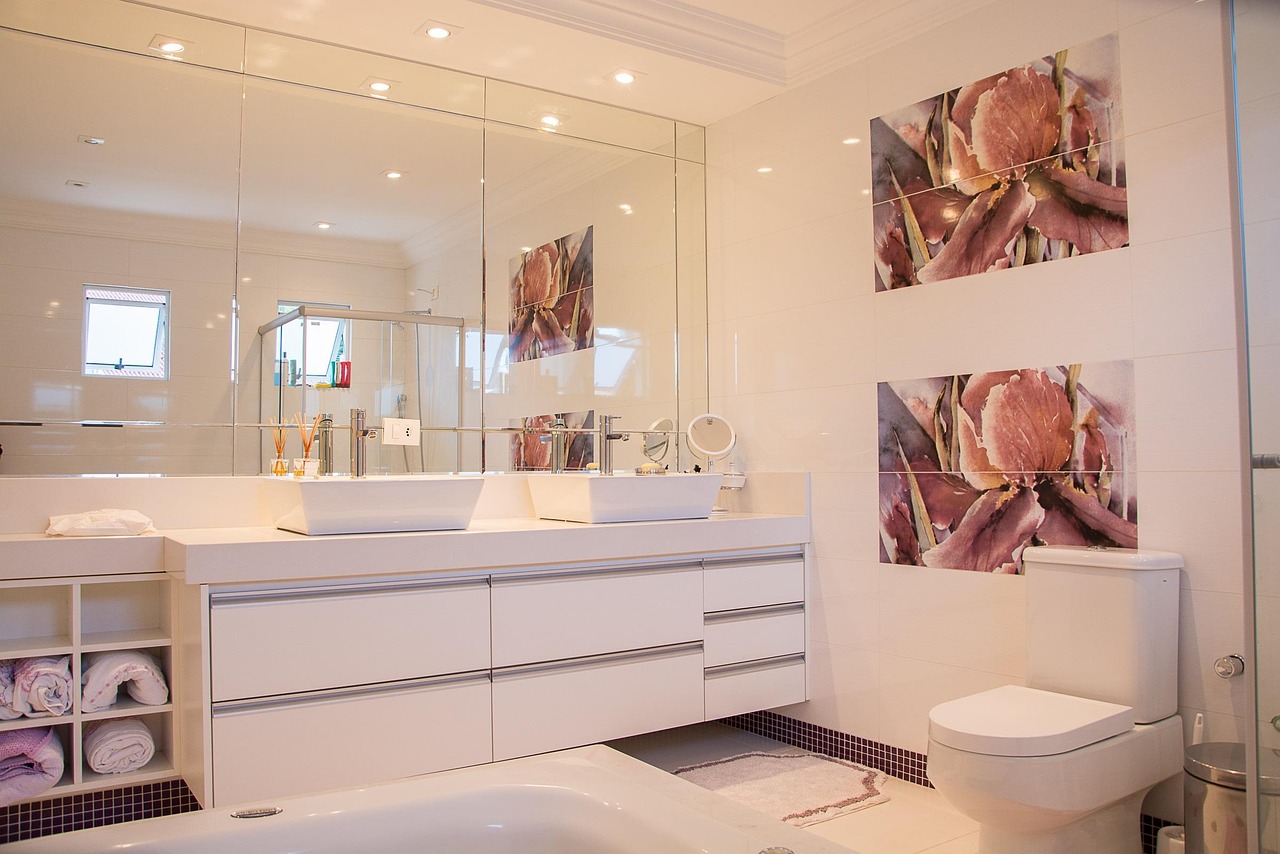
 Choosing the right color palette is crucial for setting a calming mood in your bathroom. Soft, muted tones such as pale blues, gentle greens, and warm neutrals can evoke feelings of tranquility. These shades mimic nature and create an inviting atmosphere. Consider painting the walls in a soothing hue while opting for crisp white or light wood accents to maintain brightness. You can also incorporate darker shades like charcoal or navy through accessories to add depth without overwhelming the senses.
 Transforming your bathroom into a spa-like retreat hinges on creating a sensory experience. Start by incorporating calming scents. Essential oils, scented candles, or diffusers can fill the air with fragrances like lavender or eucalyptus. Lighting plays a crucial role too. Opt for soft, warm lighting to create an inviting atmosphere.


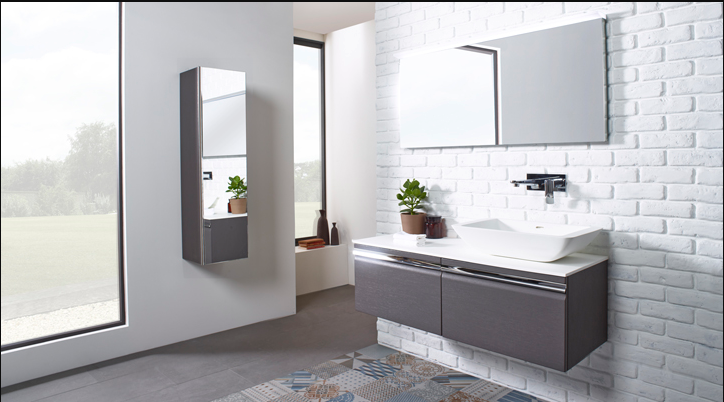
 Bathroom furniture’s have different finishes and colors, and they range from gross black. Gross black gives out a bold look. White gross will have the bathroom looking cool, and minimal walnut will make the bathroom have a warmness sense. The various kind of storage in the market place that you will have to choice from are the wall-mounted, floor-standing and wall-mounted.
 Before committing to any purchase, and end up getting frustrated in the end. Firstly make sure that you measure the space that is available and where exactly each furniture should go. Work with your designer and make a floor plan before any purchase. Do not over cloud your bathroom with furniture and forget that you need space to move around. Also. The door should be able to open and close comfortably.…